
Electroculture, the intriguing technique , proposes that vegetation can benefit when given to mild power charges. Advocates of electroculture believe that this subtle boost promotes water uptake , leading to faster growth and potentially larger yields . While mainstream evidence is scarce , many experimenters share astounding outcomes in their personal gardens , encouraging further exploration of this unconventional method to farming and produce cultivation.
An Introductory Guide to Electro-culture Gardening
Curious to try a unique gardening method ? Electro-culture gardening uses harnessing electric energies to improve plant development . The process sounds advanced , but the core principles are surprisingly straightforward to grasp . Typically, it includes creating a grid of copper wire over your plants , sometimes connected to a gentle energy source. While definitive proof exists limited, many enthusiasts report significant improvements in plant health and harvest. Let’s briefly discuss the essentials in later sections.
Can Electroculture Actually Function? Separating Fact versus Myth
Electroculture, a process utilizing minimal electricity to enhance crop production, sparked considerable attention online. However, it's vital to carefully evaluate the claims and distinguish valid results from questionable advertising. While certain initial experiments suggest to read more indicate increased outputs, the empirical foundation remains largely unexplained. Several allegedly successes could be attributed to other factors, like improved soil, water management, or simple coincidence. More rigorous research and expert approval are needed to confirm whether electroculture is a dependable agricultural technique.
Creating Your Own Bioelectrical Garden: A Detailed Guide
Embarking into the fascinating world of electroculture can seem daunting, but building your personal electroculture garden is surprisingly achievable with a some basic steps. First, collect your materials: a pot , copper wire , zinc plate , water, and a power source – a small battery or homemade cell can suffice. Afterward, position the copper and zinc around the water within the container, ensuring they haven't touch. The energetic field emitted between these metals is thought to promote plant vitality. Finally, monitor your plants and modify the system as needed – electroculture is as much about experimentation as it is concerning following directions .
Electroculture vs. Traditional Cultivation: Which The Variation ?
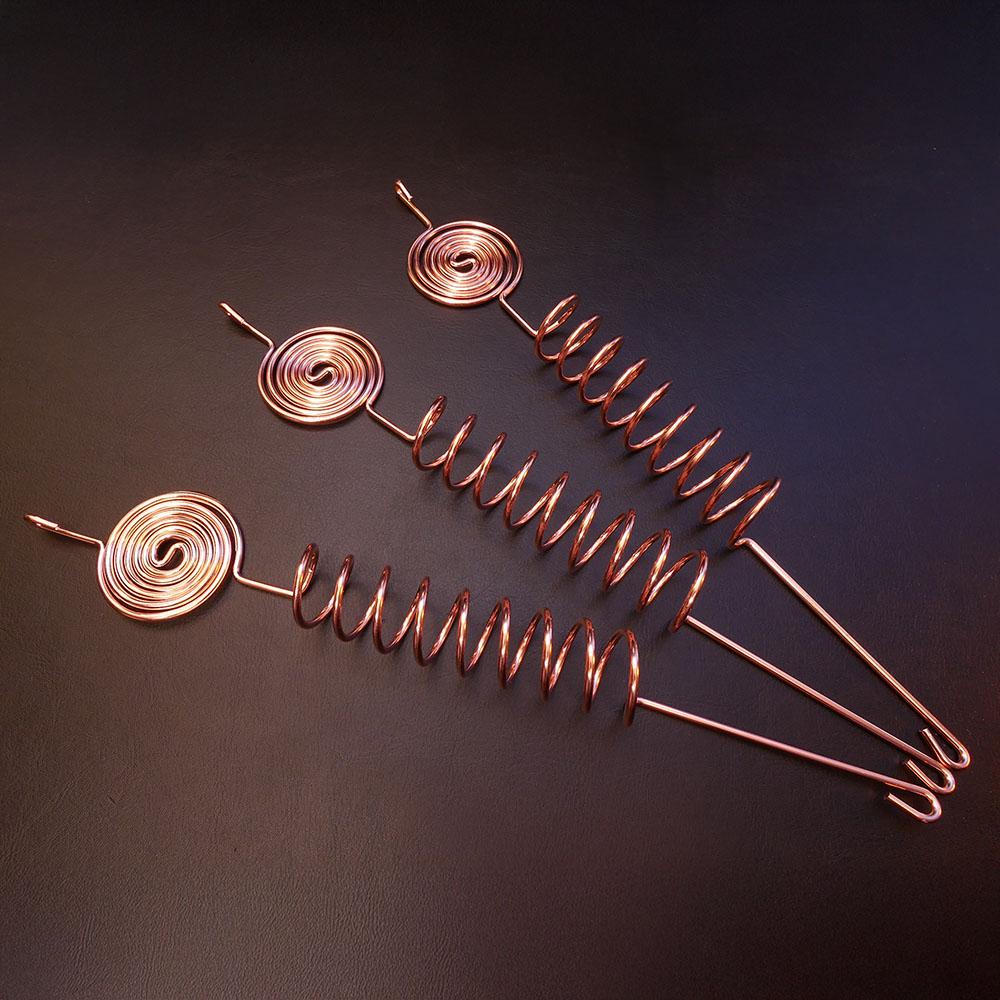
Several cultivators are considering bio-electrical farming as an alternative to standard gardening . While both pursue to grow healthy crops , they depend on drastically distinct techniques . Traditional cultivation relies on earth minerals , light , and hydration, often with supplemental fertilizers . In contrast , electrical gardening harnesses a minimal charge to energize crop maturation, potentially lessening the need on ground and traditional enhancements. Ultimately , electrical gardening embodies a fairly innovative area in cultivation with unique promise .
Boosting Plant Growth with Electroculture: Potential & Practicalities
Electroculture, a controversial method proposing plant flourishing through electrical currents , has ignited considerable attention amongst growers. Initial accounts claimed significant increases in yield and general plant health . While the precise mechanism remains unclear , some hypotheses direct to improved water uptake and nutrient availability within the soil . Practical uses can extend from basic DIY setups utilizing copper and zinc terminals to more complex systems . However, it’s vital to approach electroculture with consideration, acknowledging the scant peer-reviewed rigorous data and potential dangers associated with incorrect implementation. Further research is necessary to entirely grasp the chance and limitations of this intriguing technique to agriculture .
- Potential benefits include increased yield and improved plant health.
- Consider the need for further research and scientific validation.
- Practical applications range from simple DIY systems to complex configurations.